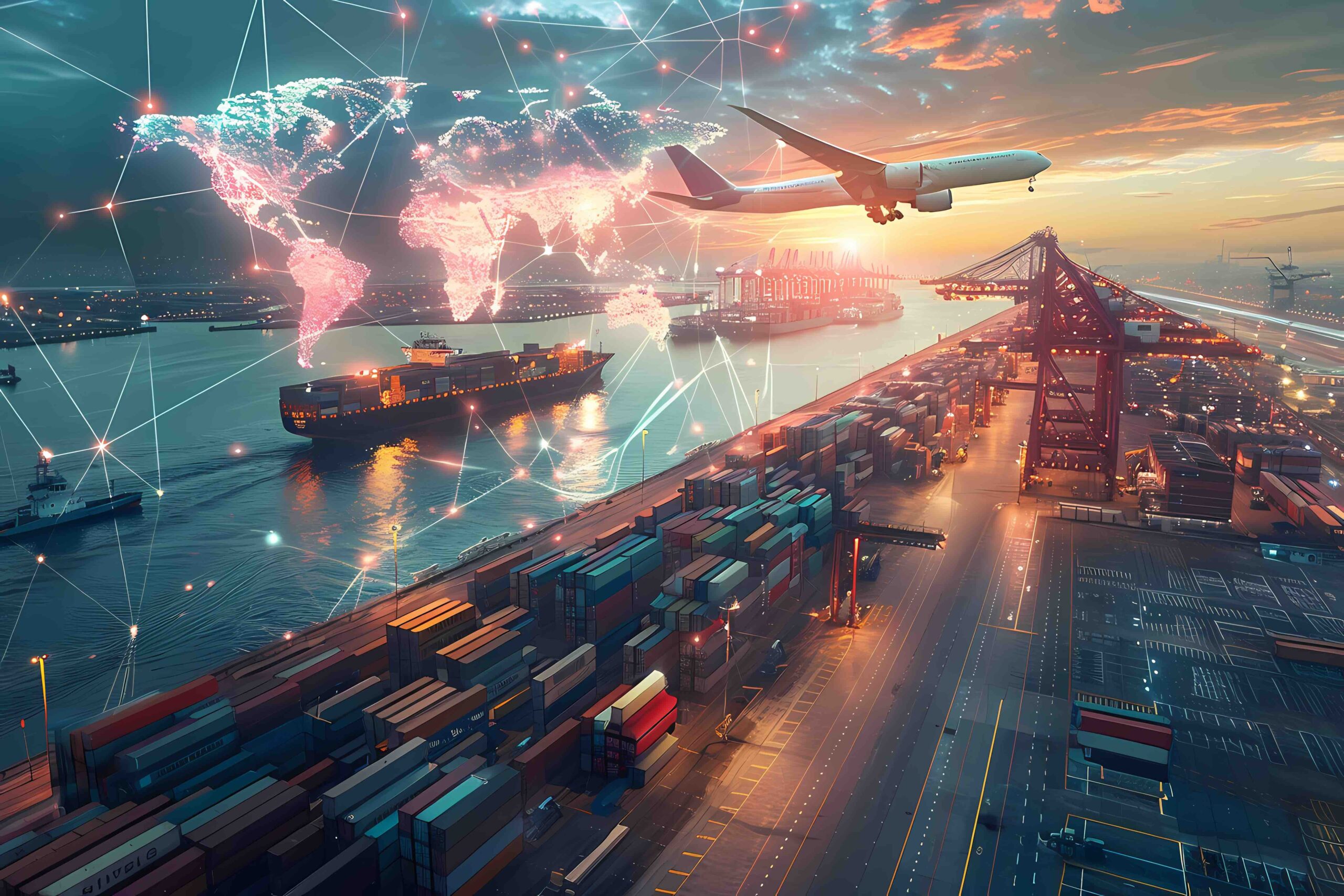
Supply chains have always been the invisible backbone of the global economy. In the past five years, however, the system that kept goods moving seamlessly around the world has been reimagined. Disruptions triggered by the pandemic, geopolitical tensions, climate change, and rapid technological adoption have pushed businesses to rethink how they source, produce, and deliver. The result is a supply chain ecosystem transforming, with both risks and opportunities for forward-looking entrepreneurs, governments, and investors.
From Just-in-Time to Just-in-Case
For decades, “just-in-time” (JIT) manufacturing defined global trade. Companies minimized inventory and relied on predictable logistics. That model collapsed when COVID-19 exposed vulnerabilities in lean networks dependent on single sources. The new trend is “just-in-case” (JIC), where resilience trumps efficiency. Firms now hold strategic stockpiles, diversify suppliers, and regionalize production to withstand shocks. This shift creates opportunities for logistics providers, warehousing startups, and technology platforms specializing in inventory optimization.
Nearshoring and Regionalization
The cost of long-haul shipping, coupled with political pressures to reduce dependence on single countries, has fueled a wave of nearshoring. U.S. companies are expanding operations into Mexico and Latin America; European firms are leaning toward Eastern Europe and North Africa; and Asian economies are strengthening intra-regional trade. This regionalization trend is supported by new trade agreements, investments in regional infrastructure, and government incentives. Entrepreneurs who can plug into these regional supply chain corridors—by offering warehousing, cross-border payment solutions, or transport services—stand to benefit.
The Rise of Digital Supply Chains
Technology is no longer a support function—it is the command center of modern supply chains. Artificial intelligence and predictive analytics are being used to anticipate demand swings, blockchain ensures transparency and trust, while IoT devices track goods in real time. Robotics and automation are reducing reliance on labor-intensive processes. The winners will be those who integrate these technologies not as add-ons, but as core enablers of agility and visibility. Tech startups in logistics software, blockchain traceability, and AI-driven demand forecasting are seeing heightened interest from investors and corporates alike.
Sustainability as Strategy
Environmental pressure is rewriting the rules. Carbon taxes, green regulations, and consumer demand for ethical products are forcing companies to measure and reduce their footprint. Circular supply chains—where materials are reused, recycled, and remanufactured—are becoming mainstream. Renewable energy-powered logistics hubs, sustainable packaging startups, and carbon-tracking platforms are fast-emerging opportunities. Companies that embed sustainability at the design stage of their supply networks are not only compliant but also more attractive to ESG-driven investors.
Geopolitics and the New Risk Map
Global supply chains are increasingly shaped by politics rather than economics. The U.S.-China trade tensions, the war in Ukraine, and ongoing Middle East volatility have altered trade routes and increased the cost of security. As a result, supply chain resilience is now a board-level priority. Businesses are adopting “China+1” strategies—adding alternative Asian production bases in Vietnam, India, and Indonesia. Insurance, risk management, and consulting firms that can provide geopolitical intelligence and scenario planning are in demand.
Human Capital and Skills
While technology plays a dominant role, supply chains remain people-driven. The talent shortage in logistics, procurement, and digital supply chain management is acute. Educational institutions and training platforms offering specialized programs are filling the gap. For entrepreneurs, workforce development is itself a growing market, especially in regions competing to be the “next supply chain hub.”
Opportunities Ahead
- Digital logistics platforms that integrate real-time visibility, AI forecasting, and blockchain trust layers.
- Green infrastructure providers—from low-emission trucking fleets to renewable-powered warehouses.
- Regional trade enablers offering cross-border e-commerce, payments, and compliance tools.
- Supply chain finance innovations, helping SMEs access working capital faster and cheaper.
- Risk intelligence solutions that blend data science with geopolitical analysis.
Global supply chains are no longer the silent enablers of commerce they are now strategic assets and competitive differentiators. Companies that adapt to resilience, regionalization, digitalization, and sustainability will shape the next era of global trade. For entrepreneurs and investors, the opportunities lie in building solutions that not only move goods efficiently but also anticipate disruption, reduce risk, and align with the values of a fast-changing world.
Read more on The Big 10:
The Role of Global Supply Chains in Regional Development and Economic Integration
How Global Trade and Supply Chains Are Adapting to Sustainability Demands
Maritime and Logistics: Global Trade and the Future of Shipping and Supply Chain Management