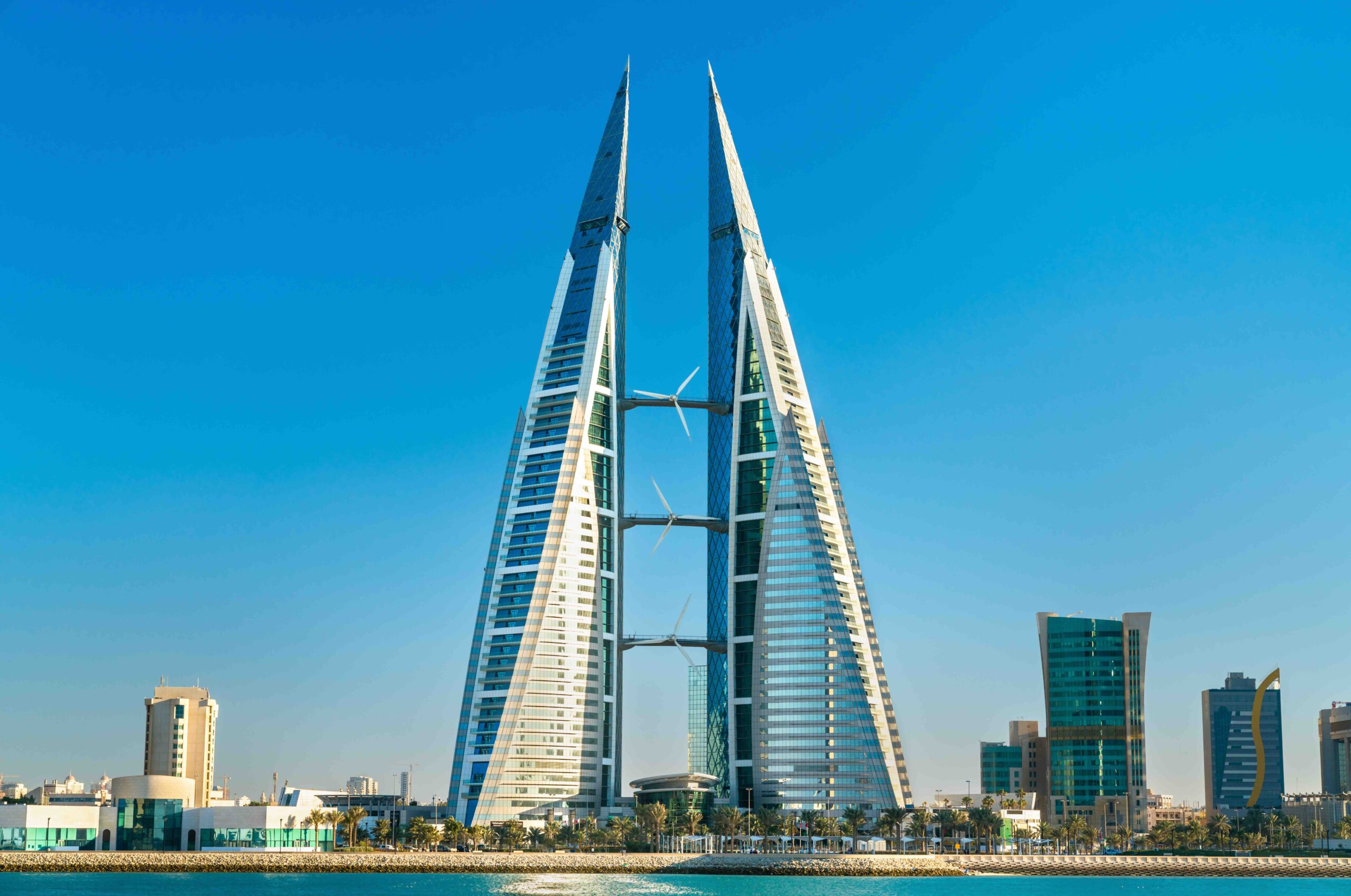
Bahrain has long been recognized as a business-friendly hub in the Gulf Cooperation Council (GCC), offering strategic access to regional markets, a strong financial sector, and a pro-investment regulatory framework. Despite its small geographic size, the kingdom has positioned itself as a center for finance, logistics, technology, and innovation. In recent years, emerging trends are strengthening Bahrain’s global economic position, attracting investors, entrepreneurs, and multinational companies.
A Strategic Location and Business-Friendly Environment
Situated in the Arabian Gulf, Bahrain provides easy access to Saudi Arabia, Qatar, and the broader Middle East. The kingdom has capitalized on this location by developing infrastructure, logistics facilities, and business zones that enable companies to operate regionally with minimal friction.
Bahrain’s regulatory environment encourages foreign investment. Initiatives such as 100% foreign ownership in certain sectors, simplified licensing procedures, and competitive corporate tax rates make it an attractive destination for startups and multinational corporations alike.
Financial Services and Fintech Leadership
Bahrain has a long-established reputation as a financial hub in the GCC. Its banking sector is robust, well-regulated, and internationally connected. The Central Bank of Bahrain (CBB) has played a pivotal role in fostering fintech innovation, including the licensing of digital banks, payment service providers, and blockchain-based financial services.
Fintech has become a major growth sector. Startups offering mobile payments, digital lending, and cross-border financial solutions are expanding rapidly. Bahrain’s open regulatory framework for fintech experimentation attracts global innovators and investors seeking to scale in the Middle East.
Diversification Beyond Oil
While oil and gas remain important, Bahrain has been proactive in economic diversification. Non-oil sectors, including manufacturing, ICT, logistics, tourism, and renewable energy, are growing steadily. Government programs and economic initiatives, such as the Economic Vision 2030, aim to reduce dependency on hydrocarbons and build a knowledge-based economy.
The growth of non-oil sectors provides opportunities for entrepreneurship, private equity investment, and public-private partnerships, especially in technology-driven industries.
Startup Ecosystem and Innovation Hubs
Bahrain’s startup ecosystem is maturing rapidly. Innovation hubs, accelerators, and co-working spaces are fostering entrepreneurship across fintech, healthtech, and ICT. Programs like Bahrain FinTech Bay provide mentorship, networking, and funding support to early-stage ventures.
The government’s focus on digital transformation, smart cities, and innovation-friendly policies encourages both local and international startups to test solutions in Bahrain and expand regionally.
Trade, Logistics, and Regional Integration
Bahrain’s trade policies and regional agreements strengthen its position as a gateway for regional commerce. The kingdom benefits from:
- GCC Common Market – Enabling free movement of goods, services, and labor.
- Bahrain-EU and Bahrain-Asia Trade Initiatives – Expanding market access and investment opportunities.
- Modern Ports and Logistics Infrastructure – Facilitating efficient imports, exports, and supply chain operations.
Logistics and distribution hubs are attracting companies seeking regional connectivity, particularly in e-commerce, manufacturing, and re-export markets.
Digital Economy and E-Government Initiatives
Bahrain has embraced digitalization in government and business. E-government platforms simplify business registration, licensing, and regulatory compliance. Investments in broadband infrastructure and digital services also support the growth of ICT-driven startups and tech-enabled business models.
Key Trends Driving Bahrain’s Business Landscape
- Fintech and Digital Finance – Regulatory support and innovation hubs are accelerating growth in digital banking and payments.
- Diversification and Knowledge-Based Economy – Government initiatives are promoting non-oil sectors, including ICT, renewable energy, and healthcare.
- Startup and Entrepreneurial Growth – Accelerators, co-working spaces, and incubators support innovation and SME expansion.
- Regional Trade and Logistics – Strategic location and modern infrastructure enable regional market access.
- Digital Transformation – E-government, digital licensing, and ICT adoption enhance efficiency and investor confidence.
Opportunities for Investors and Entrepreneurs
- Fintech Ventures – Digital banking, blockchain solutions, and payment platforms.
- Tech Startups – AI, IoT, e-commerce, and healthtech solutions.
- Logistics and Supply Chain – Regional warehousing, distribution, and last-mile delivery solutions.
- Renewable Energy Projects – Solar, wind, and sustainable energy initiatives.
- Tourism and Hospitality – Capitalizing on regional travel, events, and luxury tourism.
Bahrain’s proactive approach to economic diversification, fintech leadership, and regional connectivity positions it as a rising hub for global business. With a supportive regulatory framework, strategic location, and growing startup ecosystem, the kingdom is attracting investors and entrepreneurs who are shaping its future economic trajectory. Businesses entering Bahrain benefit not only from access to regional markets but also from a forward-looking environment that embraces innovation, digitalization, and sustainable growth.
Read more on The Big 10:
Qatar’s Innovation Hubs: Driving the Future of Startups and Tech
The Future of GCC Integration: How the UAE is Playing a Leading Role