Africa’s economic landscape is undergoing a significant transformation. Historically reliant on agriculture, extractive industries, and informal trade, the continent is now striving to build robust manufacturing and industrial sectors. These sectors are no longer just about producing goods—they are central to Africa’s ambition to transition into knowledge-based economies, where innovation, technology, and skilled labor drive growth and competitiveness.
The Current State of Manufacturing in Africa
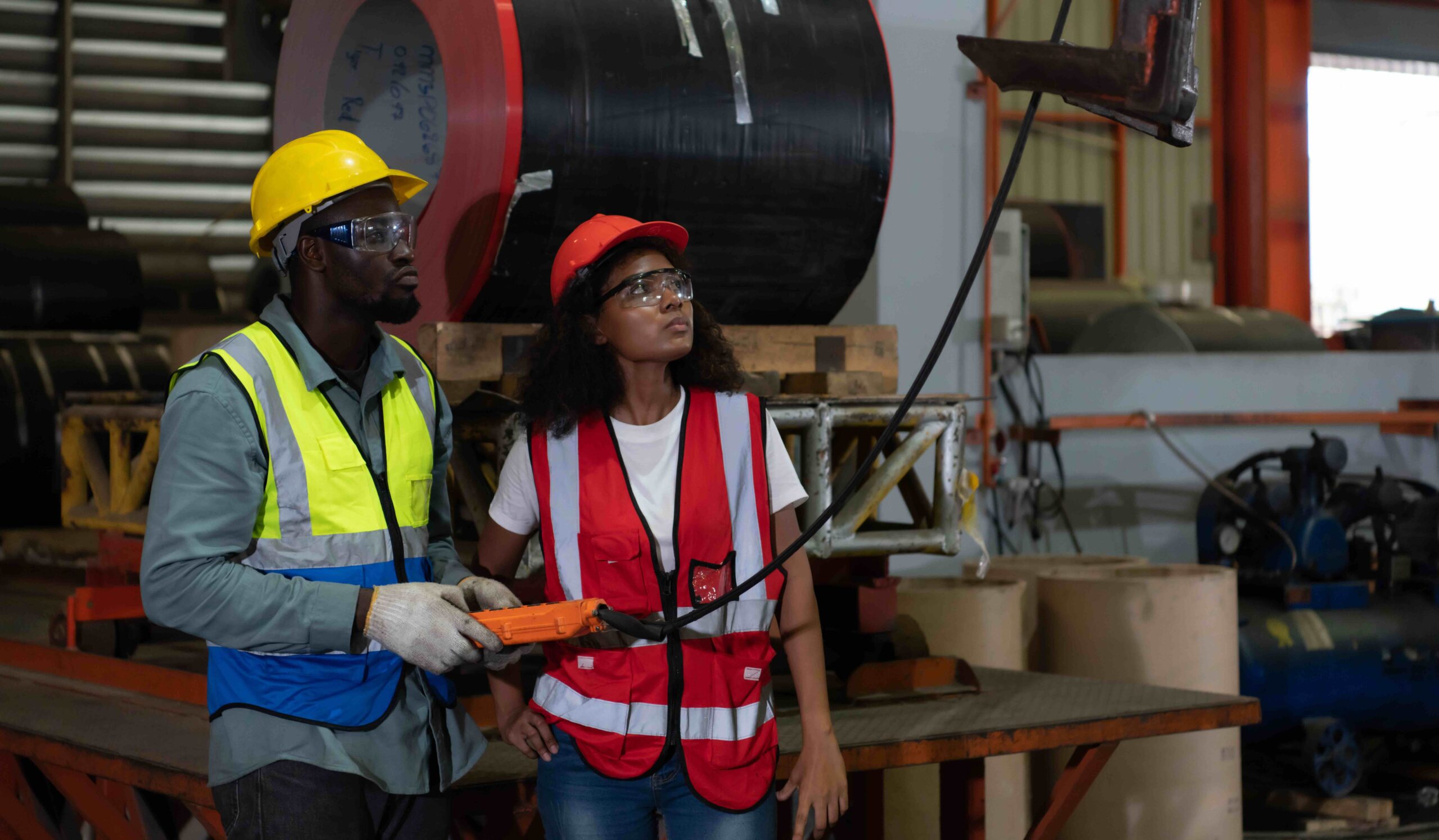
Manufacturing in Africa has traditionally faced challenges such as limited infrastructure, high energy costs, inadequate financing, and fragmented supply chains. Despite these obstacles, several countries—including South Africa, Nigeria, Kenya, Egypt, and Morocco have developed emerging industrial hubs focused on automotive, food processing, textiles, and electronics.
Industrialization is key to diversifying economies, creating jobs, and reducing dependence on raw material exports. For example:
• Automotive and assembly plants in South Africa and Morocco produce vehicles not just for domestic consumption but also for regional and global markets.
• Food processing across West and East Africa is moving from informal production to more sophisticated value chains, adding local value to agricultural outputs.
• Textiles and apparel are attracting foreign investment due to preferential trade agreements and proximity to European markets.
The Shift Toward Knowledge-Based Economies
Industrialization in Africa is increasingly tied to knowledge-intensive sectors. Governments and private players recognize that modern manufacturing requires not just capital but also innovation, digital technology, and a skilled workforce. Key trends include:
- Smart Manufacturing
Digital technologies, including AI, IoT, and robotics, are enabling more efficient production processes, predictive maintenance, and real-time supply chain management. Companies that adopt these technologies are better positioned to compete in global markets. - Research and Development (R&D)
Countries like South Africa, Egypt, and Kenya are investing in R&D hubs and innovation parks to support product design, quality improvement, and technological adaptation. Knowledge-intensive manufacturing reduces costs and increases the sophistication of outputs. - Industrial Clusters and Special Economic Zones (SEZs)
Africa is building industrial clusters and SEZs to attract investment, foster collaboration, and improve access to logistics. For instance, Ethiopia’s Hawassa Industrial Park has become a hub for textile and apparel manufacturing, integrating skills development with export-oriented production. - Skills Development and Human Capital
Knowledge-based manufacturing requires technical expertise. Programs to train engineers, technicians, and digital specialists are increasingly linked to industrial development strategies, ensuring that local populations benefit from industrial growth.
Opportunities for Growth
• Regional integration: The African Continental Free Trade Area (AfCFTA) offers opportunities to scale manufacturing across borders, creating larger markets and economies of scale.
• Sustainable and green manufacturing: Africa has an opportunity to leapfrog into clean energy and sustainable production methods, appealing to global markets with high environmental standards.
• Technology transfer: Partnerships with multinational corporations can facilitate technology transfer and skill development, accelerating industrial sophistication.
• Entrepreneurship and innovation: Startups in advanced manufacturing, 3D printing, and industrial automation are emerging as key players in the knowledge-based economy.
Challenges to Overcome
Despite progress, several barriers remain:
• Infrastructure deficits: Inconsistent power supply, poor transport networks, and limited digital connectivity increase operational costs.
• Access to finance: Small and medium-sized manufacturers often struggle to secure affordable financing for expansion and technology adoption.
• Regulatory complexity: Fragmented policies across countries can hinder cross-border trade and investment.
• Brain drain: Skilled workers often migrate to developed markets, limiting local capacity.
The Road Ahead
Africa’s transition to knowledge-based industrial economies will depend on coordinated efforts from governments, the private sector, and international partners. Policies that support innovation, reduce bureaucratic barriers, and invest in human capital will be critical. Modern manufacturing, supported by technology and research, can transform Africa’s industrial sector from a low-value, labor-intensive model to a knowledge-driven, globally competitive system.
Manufacturing and industrialization remain central to Africa’s economic development, but the future lies in knowledge-based approaches. By combining infrastructure development, digital technologies, skilled talent, and innovation-driven policies, African countries can create industrial ecosystems that generate jobs, add value to local resources, and position the continent as a competitive player in the global economy. The shift from traditional manufacturing to knowledge-intensive industries is not just a strategy for growth—it is a pathway to sustainable, inclusive, and resilient economic transformation.
Read more on The Big 10:
Africa’s Infrastructure Boom: How Construction and Real Estate are Shaping the Continent’s Future
Challenges and Opportunities in Manufacturing in Africa
Key Sectors Driving Africa’s Economic Growth: A Deep Dive into Industry Development